
There is something deeply satisfying about fall.
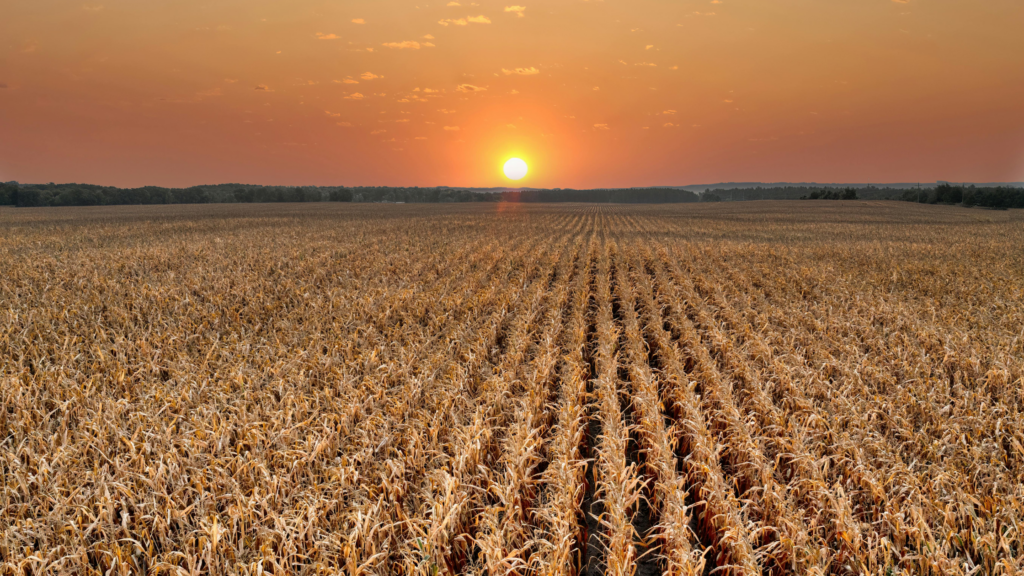
The air gets crisp. The leaves turn. And across the Midwest, fields that spent all summer quietly growing suddenly burst into activity as farmers bring in everything they spent months carefully tending.
A good harvest doesn’t happen by accident. It is the result of decisions made long before the season arrived. The right seeds, planted at the right time, in soil that was properly prepared. Tended through unpredictable weather, protected through difficult stretches, and given enough time to reach their potential.
Retirement, when you think about it, works remarkably the same way.
You’ve Been Planting for Decades
Every contribution you made to your 401(k) was a seed. Every time you stayed the course through a market downturn instead of pulling everything out, you were tending the crop through a difficult season. Every smart financial decision, every year of showing up and saving consistently, was part of the quiet, unglamorous work that makes a great harvest possible.
Most of that work happened in the background. Nobody threw a party when you maxed out your retirement account. Nobody celebrated the year you didn’t panic-sell during a volatile market. But those decisions compounded quietly over time, the same way a well-tended field builds toward something worth harvesting.
That is worth acknowledging. Because the harvest doesn’t just happen. You built it.
The Transition From Growing to Harvesting
Here is where the analogy gets interesting.
A farmer’s entire mindset shifts when harvest season arrives. The work doesn’t stop, but it changes completely. The goal is no longer about planting and growing. It’s about gathering what has been built, protecting it from spoilage, and making sure it is used well.
Retirement brings the same transition. For decades, the goal was accumulation, growing your wealth, adding to it consistently, letting it compound over time. Retirement shifts that goal entirely. Now the question becomes how to harvest what you’ve built in a way that is sustainable, tax-efficient, and aligned with the life you actually want to live.
That shift is more significant than most people anticipate. And like a farmer who needs a different set of tools and skills for harvest than for planting, retirement requires a different approach to your finances than the one that got you here.
A Good Harvest Requires the Right Timing
Ask any farmer and they will tell you that timing is everything at harvest.
Too early and the crop isn’t ready. Too late and you risk losing what you’ve worked so hard to grow. The window matters, and getting it right requires knowledge, experience, and attention to conditions that are always changing.
Retirement has its own version of timing decisions, and they carry just as much weight.
When you claim Social Security. When you retire relative to your Medicare eligibility. When you begin drawing from different account types and in what order. How you time Roth conversions in the years before required minimum distributions begin. These decisions don’t just happen at a single moment. They unfold over a window of years, and getting them right requires the same kind of careful attention that a farmer brings to harvest season.
Protecting the Harvest
A farmer who brings in a great crop but stores it poorly hasn’t really won. Protection matters just as much as production.
In retirement, protection looks like making sure your income is structured to last as long as you do. It looks like a tax strategy that keeps more of your harvest in your hands rather than the government’s. It looks like a healthcare plan that doesn’t leave you exposed to costs that could quietly erode everything you’ve built. And it looks like an estate plan that ensures what you don’t use passes to the people you love in the way you intended.
Growing the crop is only half the job. Protecting it is the other half.
The Harvest Is Worth Celebrating
Here is something we don’t say enough in financial planning: you did something hard.
Saving consistently for decades while life kept getting more expensive is genuinely difficult. Staying invested through market downturns when every instinct said to run took real discipline. Building a retirement worth having required years of quiet, unglamorous work that most people never fully appreciate until they’re standing on the other side of it.
Fall is a season of gratitude for a reason. It is the moment when all of that work becomes visible. When the fields that spent months quietly growing finally show what they were building toward all along.
Your retirement is your harvest. And it is worth every seed you planted to get here.
Ready to make sure your harvest is everything it should be? Schedule a complimentary first visit with the team at True Financial Partners, and let’s talk about what comes next.
Summary:
Every fall, farmers gather what they spent months carefully planting, tending, and protecting. It’s a process that looks effortless from the outside but requires years of intentional work behind the scenes. Retirement, it turns out, works remarkably the same way. This post draws on the themes of harvest season to explore what it actually takes to build a retirement worth enjoying.
Frequently Asked Questions
What does the transition from saving to spending in retirement actually look like?
It is a fundamental shift in how your finances work. Instead of adding to your portfolio, you begin drawing from it in a way that is sustainable, tax-efficient, and designed to last as long as you need it to.
Why is timing so important in retirement planning?
Because many of the most consequential retirement decisions, including Social Security claiming, Medicare enrollment, and withdrawal sequencing, happen within a relatively narrow window. Getting the timing right can make a significant difference in your long-term financial outcome.
What does protecting retirement savings actually mean?
It means structuring your income, taxes, healthcare coverage, and estate plan in ways that preserve what you’ve built and ensure it supports you throughout retirement rather than being quietly eroded by avoidable costs.
Is it too late to plan well if I’m already close to retirement?
Not at all. Some of the most impactful planning conversations happen in the five years before and after retirement. There is almost always something meaningful that can be done to improve the outcome.
How do I know if I’m making the most of what I’ve saved?
A conversation with a fiduciary advisor who looks at your full picture, including income, taxes, healthcare, and legacy goals, is the most reliable way to find out whether your retirement plan is working as hard as it should be.
This content is provided for informational purposes only and should not be construed as investment, tax, or legal advice. The information contained herein is believed to be reliable, but its accuracy or completeness cannot be guaranteed. Any opinions expressed are subject to change without notice and are not intended as a recommendation to buy or sell any security or investment strategy. All investments involve risk, including the possible loss of principal. Readers should consult with their financial advisor, tax professional, or attorney before making any financial decisions based on their individual circumstances. This content is for informational purposes only and is not affiliated with or endorsed by the Social Security Administration or any government agency. Claiming strategies should be evaluated based on your individual financial circumstances. True Financial Partners does not provide tax or legal advice. Readers should consult their tax professional or attorney regarding their specific situation.
Investment advisory services offered through TFP Management LLC, a SEC Registered Investment Adviser.